TL;DR: A Japan Today video test found a ready-made Amazon emergency bag is not enough on its own, while an Intage survey found only 52.8% of households had taken disaster-preparation steps.
On Sept. 2 in UTC terms, the newest verified development was the publication of Japan Today Spotlight #82, in which host Jeff Richards and former NHK World presenter Aki Shibuya opened and assessed an emergency bag ordered from Amazon during Disaster Prevention Week.
According to Japan Today, the episode examined earthquakes, floods and other natural disasters and asked what residents should complete before the next event.
According to the Japan Wire report carried by Kyodo News, research firm Intage Inc. surveyed 5,000 people aged 15 to 79 from July 22 to July 27 and found 52.8% of households had taken steps to prepare, leaving almost half unprepared.
What the Sept. 2 Spotlight episode tested
According to Japan Today, Spotlight host Jeff Richards was joined by former NHK World presenter Aki Shibuya for episode No. 82, titled “Are you actually ready for a disaster in Japan?”
According to Japan Today, the program was released with Disaster Prevention Week underway in Japan and was presented from Tokyo.
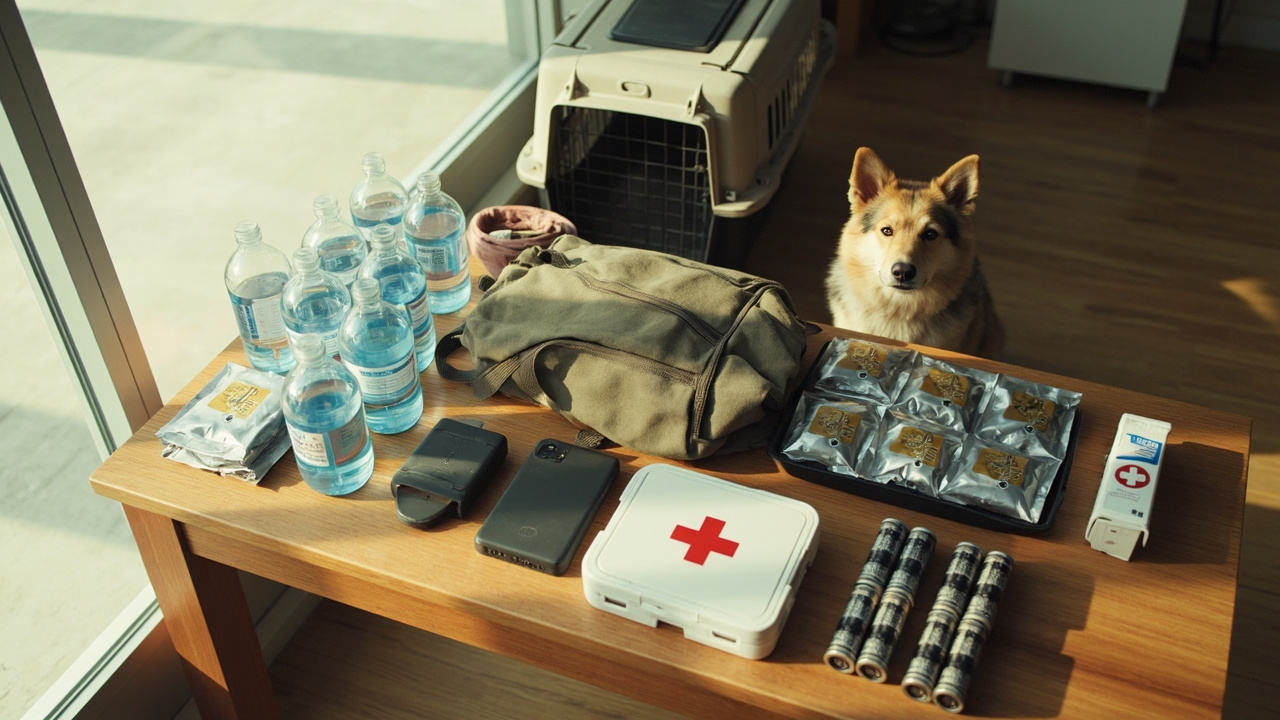
According to Japan Today, Richards and Shibuya put an emergency bag from Amazon to the test, opened it on camera and reviewed what was actually inside.
According to Japan Today, their assessment was that simply buying a ready-made kit is not enough and that disaster preparations need to be personalized.
According to Japan Today, the discussion also addressed planning for pets and how Japan’s approach to evacuating with animals has evolved since the 2011 Great East Japan Earthquake.
According to Japan Today, the full episode runs through chapters titled “Intro: It’s been quite a summer,” “Why Sept. 1?”, “Japan is prepared. Are people in Japan prepared?”, “The things people get wrong,” “The disaster bag test,” “Customization and pets,” “Outro,” and “Extra: What we’re changing at home.”
According to Japan Today, the episode also invited viewers to identify one item missing from their emergency bag or one item they realized they need to replace.
Why personalization mattered in the bag review
According to Japan Today, the hosts framed Japan as one of the most disaster-prone countries in the world and one of the most prepared.
According to Japan Today, they then asked how ready the people who live in Japan are when disaster actually strikes.
According to Japan Today, the program discussed lessons of the 1923 Great Kanto Earthquake and Japan’s long tradition of disaster drills.
According to Japan Today, the hosts also discussed common misconceptions about what to do during an emergency.
According to Japan Today, they explained the Japanese concepts of kojo, described as government assistance, kyojo, described as helping each other, and jijo, described as helping yourself.
For a practical loadout, the meaning is direct: a purchased bag can supply a starting point, but the household must adjust contents to its members, animals, medicines, documents, and evacuation route.
According to Japan Today, that adjustment includes pet planning, reflecting changes since the 2011 Great East Japan Earthquake.
Keep any pet supplies with the human go-bag so evacuation with animals does not require a separate trip back inside. That is general advice for keeping a loadout usable, not a figure supplied by the reporting.
What the Intage survey measured in late July
According to the Japan Wire report carried by Kyodo News, Intage Inc. conducted its survey of 5,000 people aged 15 to 79 from July 22 to July 27.
According to that report, 52.8% of households had taken steps to prepare for a disaster, compared with 51.8% the previous year.
According to that report, disaster readiness was particularly low among people living alone, even though single-person households accounted for the overall increase.
According to that report, the rate of taking measures among single-person households increased by 5.5 percentage points from the previous year to 40.2%, leaving around 60% unprepared.
According to that report, average annual spending on disaster preparation remained largely unchanged at 2,877 yen, or $18, per person.
According to that report, the most cited reasons among respondents not taking steps were putting off preparation, not knowing where to start, and concerns about cost.
According to that report, the most common measures taken by households were stockpiling water at 34.0%, stockpiling instant foods at 28.2%, and regular hydration at 26.4%.
For a practical loadout, those three actions map to packed water, packed instant food, and a daily hydration practice that keeps replacement water rotating.
Power-outage experience changed what people packed
According to the Japan Wire report carried by Kyodo News, respondents who had experienced a disaster caused by an earthquake prepared for power outages at a higher rate than average.
According to that report, stocking up on dry cell batteries and portable power banks was 1.3 times more common among earthquake-experienced respondents than the household average.
For a practical loadout, that finding points to batteries and a portable power bank packed alongside lighting and a phone-charging cable.
Use only battery and power-bank products rated for the devices being carried, and store them as the maker directs. That is general safety advice, not a specification supplied by the reporting.
According to that report, measures related to coping with extreme heat showed an increase from the previous year, while measures related to stockpiling supplies decreased or remained unchanged.
According to that report, using air conditioners together with electric fans at home and refraining from going out were more common than the previous year, along with efforts to stay hydrated.
According to that report, Intage said the findings suggest disaster preparedness is expanding beyond readiness for a one-off future disaster to include risks people face every year, including extreme heat.
According to that report, the weather agency in April coined the term “kokushobi,” or “cruelly hot days,” for days when temperatures reach 40 C, to better warn people about dangerous heat.
According to that report, between May and September 2025, a record high of 100,510 people were transported by ambulance to hospital due to heat-related illnesses, according to Fire and Disaster Management Agency data.
According to that report, preliminary figures placed that number at 68,561 since May this year as of Aug. 23.
The summer behind the Disaster Prevention Week discussion
According to Japan Today, the episode followed a summer that included a magnitude 7.1 earthquake striking Kumamoto and deadly flooding in Chiba that left 13 people dead.
According to the Japan Wire report carried by Kyodo News, the Intage survey came just days before a magnitude 7.1 earthquake jolted the southwestern prefecture of Kumamoto on July 28.
According to that report, the Kumamoto earthquake left tens of thousands of homes without running water and electricity.
According to that report, torrential rain that struck Chiba Prefecture near Tokyo in August flooded around 4,000 homes.
According to that report, the Chiba rain forced drivers to abandon around 2,500 vehicles on roads managed by the city of Chiba.
For a practical loadout, loss of running water and electricity points to packed drinking water, instant food that needs little preparation, batteries, a power bank, and copies of evacuation information.
According to Japan Today, the episode presented those events as underscoring a basic reality of life in Japan: the next major disaster may be impossible to predict, but preparing for it does not have to wait.
What to check before the next drill
According to Japan Today, the hosts closed with an extra segment described as “What we’re changing at home.”
For households using a store-bought bag, open it, inventory water, food, batteries, power bank, medications, copies of identification, cash, clothing, hygiene items, and pet needs, then replace expired or ill-fitting items.
That inventory approach follows the episode’s personalization point reported by Japan Today, not a separate packing list from the sources.
People living alone may need particular attention, because the Intage results reported by Japan Wire placed preparedness among single-person households at 40.2%.
Schedule the next check with a seasonal drill or with Disaster Prevention Week, since both sources tie late-summer surveys and programming to Sept. 1 preparedness activity.
Record the date of the check on the bag so the next replacement decision does not depend on memory. That is a general household practice, not a dated instruction from the sources.
Sources referenced
- Japan Today Spotlight #82 | Are you actually ready for a disaster in Japan? - Japan Today (https://japantoday.com/category/spotlight/82-are-you-actually-ready-for-a-disaster-in-japan)
- Nearly half of households in Japan unprepared for disaster: survey - Kyodo News / Japan Wire (https://english.kyodonews.net/articles/-/83496)