TL;DR: A coroner ruled the death of 58-year-old Shengwei Cao off Mana Island on 5 March 2023 an accidental drowning and recommended that New Zealand's Ministry of Business, Innovation and Employment ban import of the Wolach 919 tankless diving device.
Coroner issues ban call and safety recommendations
Coroner Amelia Steel ruled that Shengwei Cao's death was an accidental drowning, with decompression complications a contributing factor, according to RNZ in "Coroner calls on MBIE to ban tankless diving device after accidental drowning | RNZ".
The findings were published on Wednesday, according to RNZ.
Steel recommended the Wolach 919 be banned from importation into the country, according to RNZ.
She also recommended that the Ministry of Business, Innovation and Employment launch an awareness campaign about such devices and a broader product review of risks and regulations, according to RNZ.
Coroner Amelia Steel is also recommending the Ministry of Business, Innovation and Employment assess broader Wolach 919 tankless systems to determine associated consumer risks, market presence and available regulatory options, according to the NZ Herald in "Mana Island diving death: Shengwei Cao drowned using Wolach 919 breathing unit bought online - NZ Herald".
She also recommended MBIE initiate a public awareness campaign about using the Wolach 919 device and similar tankless systems by engaging with agencies including the Police National Dive Squad, WorkSafe New Zealand, Coastguard New Zealand, Maritime New Zealand and Water Safety New Zealand, according to the NZ Herald.
Forensic pathologist Dr Judy Melinek determined the cause of death was drowning, with decompression complications and cardiovascular disease contributing, according to 1News in "Free diver drowned while using cheap online breathing device".
A funeral notice published after his death said Cao, a painter, left a wife, child and two grandchildren, according to 1News.
Who the diver was and what he bought
Steel said Cao, a painter from Lower Hutt, had been free diving for at least five years, according to RNZ.
Cao had been free diving for five to six years and had recently bought a Wolach 919 Surface Supplied Breathing Unit online, according to 1News.
He usually dived in shallow water close to the shore, and only when the weather was good, according to RNZ.
Occasionally he would take pills for seasickness, according to RNZ.
Steel said Cao wasn't trained in scuba diving but hoped to learn and had discussed its differences with friends, according to RNZ.
His online purchase of the Wolach 919 would enable him to dive deeper, according to RNZ.
Shengwei Cao had recently bought the Wolach 919 surface-supplied breathing unit online because his friends had used one, according to the NZ Herald.
The day before he died, Shengwei Cao pulled out his new tankless diving device - a Wolach 919 - and tested it in the bathtub, according to RNZ.
He tested it in the bathtub on 4 March, 2023, according to RNZ.
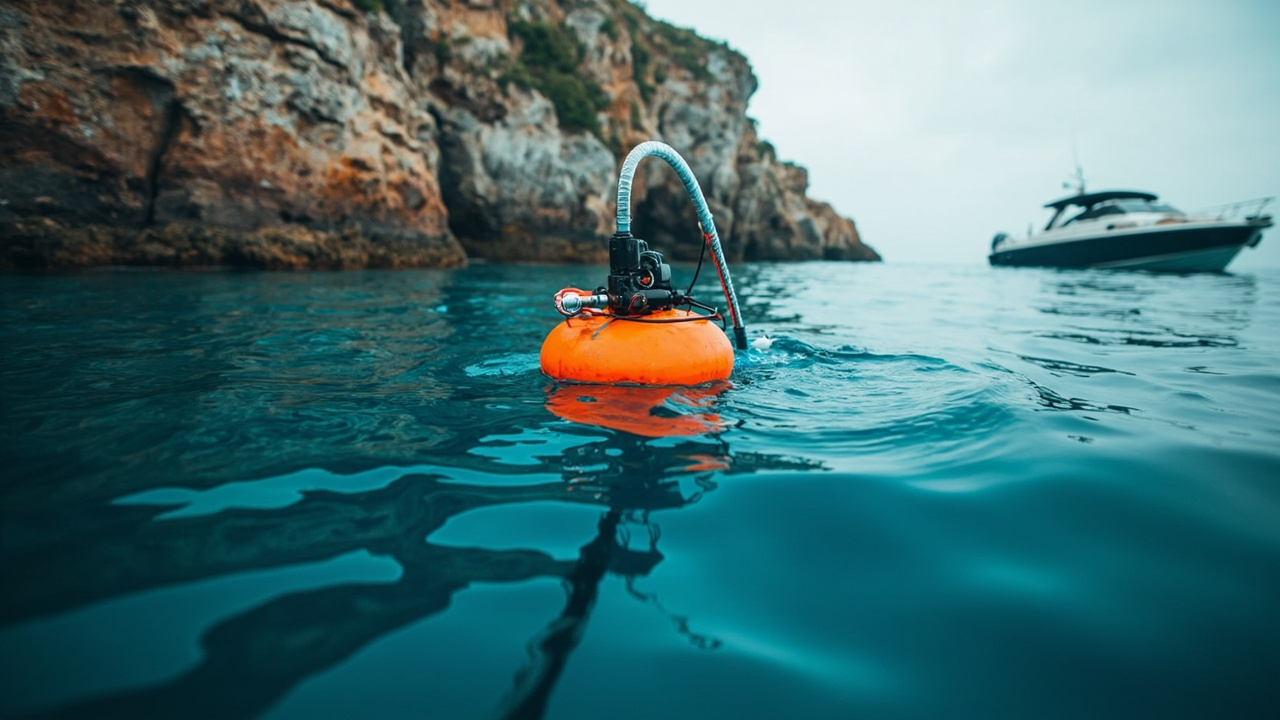
The "hookah" tankless system pumps air from the surface to the diver through a hose, allowing them to dive deeper, according to 1News.
The device was a Wolach 919, a surface supplied breathing unit of the kind divers call a hookah system, according to the account of RNZ reporting summarized in the available search results.
Instead of a tank strapped to the diver's back, a small compressor floats on the surface and pushes air down a long hose, according to the available account of the system description.
What happened off Mana Island on 5 March 2023
Cao died in 2023 after diving near Mana Island on the Kapiti Coast, according to 1News.
The next day, the 58-year-old met up with six other friends and began diving off Mana Island around 11.30am, according to RNZ.
On the morning of his death on March 5, Cao met friends at the Mana Boat Club before the group travelled to Mana Island, according to 1News.
By 11.30am on 5 March, 2023, the device, sometimes known as a hookah type system, was on the surface of the water off the coast of Mana Island, pumping air through an umbilical hose to Cao, who was diving below, according to RNZ.
About 11.30am, he began using the Wolach for the first time while others scuba dived, according to 1News.
Mr Cao was using the Wolach to free dive for the first time, while the other people were scuba diving, according to RNZ.
The Wolach was attached to a buoy, according to RNZ.
After 10 to 15 minutes he returned to the boat, telling his friend Chen Koo the device was not working and that he felt seasick, according to 1News.
After several dives, Cao returned to the boat, complaining of seasickness and that the Wolach wasn't working, according to RNZ.
Steel said he needed help getting out of the water, which was unusual, according to RNZ.
Koo had to help Cao out of the water, which the findings noted was unusual, according to 1News.
But 10 minutes later, feeling better, he was back in the water, according to RNZ.
About 10 minutes later Cao said he felt better and went back in, diving alone roughly 30 metres from the boat, according to 1News.
However, not long after, his friends requested to dive elsewhere and unable to get Cao's attention, they left him alone, according to RNZ.
The skipper noted the 58-year-old's breathing bubbles on the surface as they went, according to RNZ.
When the skipper returned to the site, the rocky shore prevented him from approaching Cao, according to RNZ.
He headed back to the main group and alerted a passing boat to a missing diver, according to RNZ.
When Koo later called to him there was no answer, only bubbles, according to 1News.
He waved down a passing boat, and its occupants — William Rongoa and son Richmond McGill — found Cao's body still tethered to a buoy in about five metres of water, the mouthpiece beside his head, according to 1News.
About an hour later, a couple of boaties - alerted to a missing diver - pulled the 58-year-old's body from the water, according to RNZ.
The boaties found Cao's body still attached to the buoy, in water about five metres deep, according to RNZ.
The breathing tube and pump, which went from the surface of the water to Cao, were also attached to the buoy, according to RNZ.
However, the mouthpiece attached to the breathing tube was to the side of Mr Cao's head, rather than in his mouth, according to RNZ.
The pump was still running, according to 1News.
He was declared dead onshore shortly after, according to RNZ.
A short time later on shore, Cao was declared dead by emergency services, according to RNZ.
What expert testing found in the gear
The coroner said a specialist from the Police National Dive Squad examined the diving equipment Cao was using, according to the NZ Herald.
Steel said a specialist from the Police National Dive Squad tested Cao's gear in a diving pool and among several findings noted the Wolach design left the diver with an inconsistent air supply, particularly at depths of around 4.5 to 5 metres, according to RNZ.
A Police National Dive Squad specialist tested the Wolach and found it hard to draw air from, especially at 4.5 to 5 metres, as the compressor only kicks in after pressure drops, according to 1News.
He explained that using the Wolach meant a diver was breathing compressed air and was subject to the same rules and physics as scuba diving, according to the NZ Herald.
The specialist considered it to be a "dangerous system" leaving the diver in an unsafe position without immediately available air, according to RNZ.
The report writer called it "a dangerous system" that could leave a diver feeling as though they were running out of air, triggering panic and carbon dioxide build-up, according to 1News.
The dive specialist considered it a dangerous system with features that could cause panic or stress in a diver, leading to carbon dioxide build-up, the symptoms of which are dizziness, fatigue, headaches, rapid breathing or shortness of breath, according to the NZ Herald.
The specialist found Cao's use of the Wolach, continuing to dive when unwell, and diving alone were all factors in his death, according to RNZ.
Problems were also identified with the other dive equipment he had but ultimately Cao's use of the Wolach, continuing to dive when unwell, and diving alone were all factors in his death, according to the NZ Herald.
The specialist also found Cao had been diving without a dive computer, tables or depth gauge, according to 1News.
He was so heavily weighted by two non-releasable harnesses and a belt that he was negatively buoyant and could not ditch the load, according to 1News.
Safety agencies respond to avoidable loss
Water Safety New Zealand said Cao's death was an avoidable tragedy that demonstrated the risks of diving alone, according to RNZ.
In 2025, more than 55 percent of the 79 drownings were people undertaking water activities by themselves, according to RNZ.
The organisation's kaihautū Māori Rob Hewitt said the coroner's findings read like a "tragic list of everything you must never do" when heading out underwater, according to RNZ.
Diving in open water is absolutely not the place to try new equipment, according to RNZ reporting the statement by Hewitt.
Hewitt told RNZ Cao's death hit home, according to RNZ.
Hewitt survived four days at sea in 2006 after a routine dive trip off Mana Island went wrong, according to RNZ.
He said New Zealand men needed to understand they weren't bulletproof, according to RNZ.
When the unexpected happens you need someone close to you who can immediately give you some help, according to RNZ reporting the statement by Hewitt.
Tragically this was not the case for Mr Cao, according to RNZ reporting the statement by Hewitt.
He said training, ensuring equipment was fit for purpose and diving with a buddy were critical, according to RNZ.
MBIE says it is considering the findings
MBIE's manager of consumer services Simon Gallagher said the agency was considering the coroner's findings and recommendations and was committed to assessing any appropriate actions, according to RNZ.
He noted the Wolach 919 was not currently available for sale in the country, but recognised the importance of understanding and addressing potential risks with such tankless diving products, according to RNZ.
We'll continue to work closely with relevant agencies and stakeholders to assess consumer safety risks and provide advice and guidance where needed to help prevent harm, according to RNZ reporting the statement by Gallagher.
MBIE Manager of Consumer Services Simon Gallagher said the ministry wanted more information before acting, according to 1News.
Before determining whether regulatory intervention, including restrictions on supply or importation, is warranted, MBIE considers that further assessment of the broader product category, associated consumer risks, market presence and available regulatory options would be beneficial, according to 1News reporting the statement by Gallagher.
The Wolach 919 no longer appears to be available for sale, according to 1News.
What this finding means for a survival loadout
For readers who keep water gear in a bug-out bag, this is an announcement of recommended action, not a completed ban.
The coroner recommended a ban, and MBIE said it was considering the findings, according to RNZ.
Keep unfamiliar breathing gear out of an evacuation kit unless training and fit-for-purpose checks are complete, as general caution.
Training, ensuring equipment was fit for purpose and diving with a buddy were described as critical, according to RNZ.
Diving alone, continuing while unwell, and first-time open-water use of new equipment were factors discussed in the findings, according to RNZ and 1News.
Track depth and time with a computer, tables or gauge, and avoid non-releasable weighting that prevents ditching the load, as general caution supported by the specialist findings reported by 1News.