TL;DR: A New Zealand coroner has recommended banning importation of the Wolach 919 tankless dive unit after 58-year-old Shengwei Cao drowned off Mana Island on 5 March 2023, with a police dive specialist finding inconsistent air supply at 4.5–5m.
A coroner’s safety investigation completed in September 2026 has put a consumer survival-type breathing device under formal regulatory scrutiny for the first time in New Zealand waters.
According to X-Ray Mag — Coroner Calls for Ban on Tankless Dive System, Coroner Amelia Steel ruled the death of Shengwei Cao an accidental drowning, with decompression complications contributing, and recommended that the Ministry of Business, Innovation and Employment (MBIE) ban imports of the Wolach 919 surface-supplied breathing unit.
According to Water Safety New Zealand — Diving death an avoidable tragedy, the report from Coroner Amelia Steel, released 9 September 2026, makes three recommendations focusing on diving equipment known as the “Wolach 919,” with banning the device and educating divers on tankless diving equipment recommended.
No wider prohibition on tankless systems has yet been imposed, and MBIE says the Wolach 919 is not currently being sold in New Zealand while it considers the coroner’s recommendations, according to X-Ray Mag.
Who died and where it happened
Shengwei Cao was 58 when he died on 5 March 2023 while using a Wolach 919 surface-supplied breathing unit bought online, according to X-Ray Mag.
The location was off Mana Island, near Wellington, according to X-Ray Mag. Water Safety New Zealand identifies Cao as a Lower Hutt man whose death in March 2023 highlights the risks of undertaking underwater activities alone.
Cao was described as an experienced freediver but he had no scuba training and was using the unit in open water for the first time, according to X-Ray Mag.
That experience distinction matters for preparedness planning. Freediving skill does not transfer automatically to breathing compressed gas underwater, and the coroner’s case treats first open-water use of a new breathing system as a separate risk event.
What the coroner formally found
Coroner Amelia Steel ruled Cao’s death an accidental drowning, with decompression complications contributing, according to X-Ray Mag.
The finding does not attribute death to drowning alone. The additional reference to decompression complications signals that pressure-related physiology was relevant even in relatively shallow water.
Water Safety New Zealand frames the same death as an avoidable tragedy and is calling for all New Zealanders to stay together when diving and freediving.
Rob Hewitt, Kaihautū Māori of Water Safety New Zealand, describes 58-year-old Shengwei Cao’s death as a preventable tragedy, according to Water Safety New Zealand.
How the outing unfolded
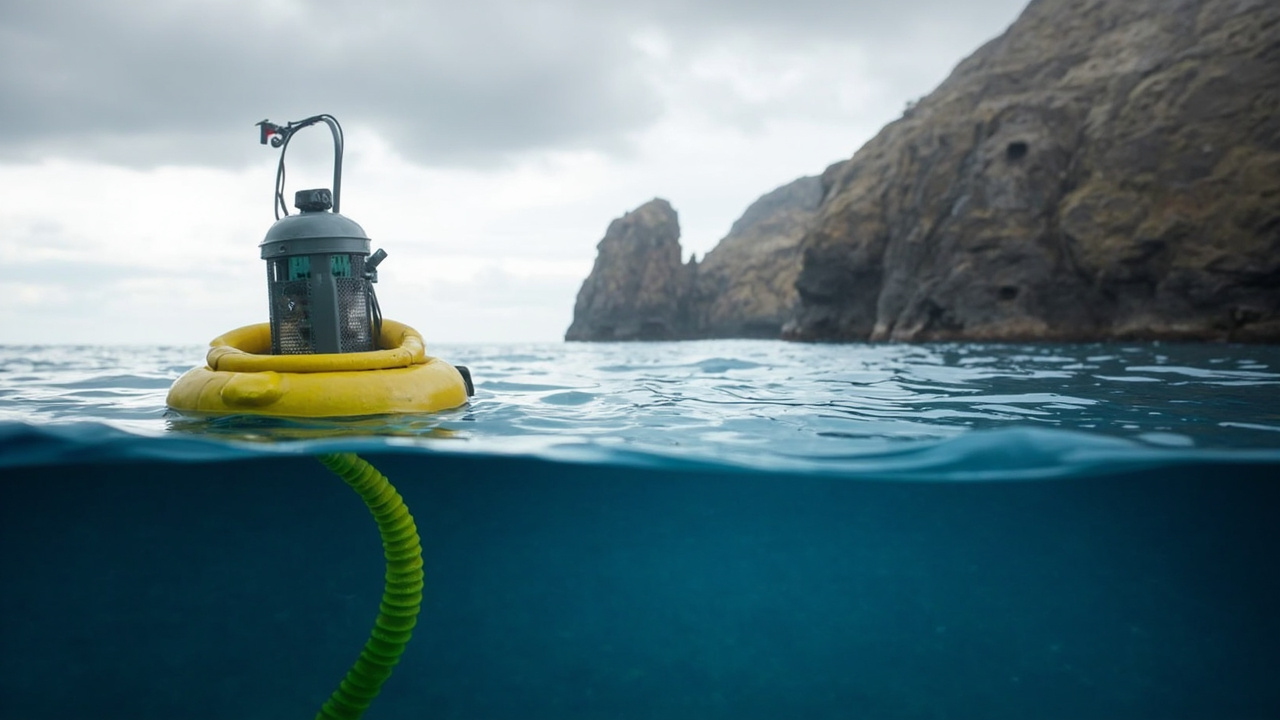
Unlike scuba, the Wolach system uses a battery-powered compressor at the surface to supply breathing gas through a hose, according to X-Ray Mag.
Cao had reportedly complained that the equipment was not working properly and felt unwell during the outing, but later returned to the water, according to X-Ray Mag.
He was eventually found at about 5m depth, still attached to the floating unit, according to X-Ray Mag.
Water Safety New Zealand says anyone participating in freediving or scuba diving must be both physically and mentally fit for underwater activities — and diving alone is the most significant drowning risk.
Other factors were also identified in Cao’s death, including diving alone, lack of scuba training and continuing to dive after feeling unwell, according to X-Ray Mag.
For a bug-out or shelter-in-place loadout, the sequence is the warning: feeling unwell, suspecting equipment trouble, then re-entering the water alone combined three separate risk factors in one outing.
Why testers called the air supply dangerous
Testing by a specialist from the New Zealand Police National Dive Squad subsequently found that the equipment could produce an inconsistent air supply, particularly at depths around 4.5–5m, according to X-Ray Mag.
According to evidence reported from the coroner’s findings, the compressor did not activate until pressure in the breathing line had fallen sufficiently, making it increasingly difficult to draw a breath, according to X-Ray Mag.
The police specialist considered the system dangerous, according to X-Ray Mag.
That test result is central to the import-ban recommendation. The issue identified was not an empty battery or a severed hose, but delayed compressor response that left the diver working harder to inhale at exactly the depth where Cao was later found.
X-Ray Mag adds important context that surface-supplied breathing equipment is well established in diving, and the case does not suggest that such systems are inherently unsafe.
However, breathing compressed gas underwater carries physiological risks whether the gas comes from a cylinder or a surface compressor, according to X-Ray Mag.
Divers Alert Network notes that hookah divers can face many of the same hazards as scuba divers, including decompression sickness and pulmonary barotrauma, according to X-Ray Mag.
An announcement, not yet a ban
The coroner recommended that New Zealand’s Ministry of Business, Innovation and Employment (MBIE) ban imports of the Wolach 919 and investigate the availability, risks and regulation of similar consumer devices, according to X-Ray Mag.
Water Safety New Zealand describes the same action as three recommendations focusing on the Wolach 919, with banning the device and educating divers on tankless diving equipment recommended.
This is an announcement of recommended future regulatory action. It is not a completed import ban, a recall, or a prohibition on all hookah or tankless systems.
MBIE says the Wolach 919 is not currently being sold in New Zealand and is considering the coroner’s recommendations, according to X-Ray Mag. No wider prohibition on tankless systems has yet been imposed, according to X-Ray Mag.
For readers tracking evacuation and shelter-supply rules, the status as of the reporting is review and consideration. MBIE has not announced that restrictions are in force, only that assessment is underway.
What this means for a practical go-bag loadout
Prepper Packs readers often assemble water-crossing, fishing and shelter-sustainment kits that could tempt inclusion of a compact “tankless” compressor as a lightweight alternative to cylinders.
The coroner’s findings argue directly against that substitution in an unevaluated form. Water Safety New Zealand strongly encourages SCUBA divers and freedivers to know their limits and never dive alone, adding that making sure equipment is fit for purpose, completing dive safety training, and following safety advice to “Always dive with a buddy” is critical.
Applied to a loadout, that means three practical checks before any surface-supplied breathing unit earns pack space:
First, fitness and training come before hardware. Water Safety New Zealand says participants must be both physically and mentally fit, and X-Ray Mag reports that Cao had no scuba training despite freediving experience.
Second, new equipment does not belong on its first trial in open water during an emergency. “Diving in open water is absolutely not the place to try out new equipment,” Hewitt said, according to Water Safety New Zealand.
Third, solo use is identified as the central fatality pattern. “Always dive with a buddy and constantly monitor each other. Stay close together and help each other out when needed,” Water Safety New Zealand advises, noting that it and specialist diving groups all promote active use of the buddy system.
In short, leave untested hookah units out of the bag, keep any water gear matched to completed training, and plan staffing so no one enters the water alone to retrieve food, clear debris or inspect a hull.
Solo diving dominates the national numbers
Water Safety New Zealand uses national drowning statistics to show why solo activity drew special attention.
In 2025, more than 55 per cent of the 79 drownings were people undertaking water activities by themselves, according to Water Safety New Zealand.
A total of 82 people drowned in an underwater activity in the past ten years (2016-2025), according to Water Safety New Zealand.
More than half of those people were Māori men – 42 people, according to Water Safety New Zealand. Scuba diving accounts for 23 of underwater deaths and 42 were freediving deaths, according to Water Safety New Zealand.
Rob Hewitt says it is critical for New Zealand men to stop overestimating their abilities and underestimating the risks, according to Water Safety New Zealand.
“This finding from Coroner Steel reads like a tragic list of everything you must never do when you’re heading out underwater,” Hewitt said, according to Water Safety New Zealand.
“New Zealand men need to understand they are not bulletproof. And when the unexpected happens you need someone close to you who can immediately give you some help. Tragically this was not the case for Mr Cao,” Hewitt said, according to Water Safety New Zealand.
Medical fitness and the buddy rule
Water Safety New Zealand closes its response with medical-fitness guidance tied to age, health changes and medication.
Ensure you are medically fit to dive, the organisation advises. Seek specific dive medical advice when there are any changes in health, when you use or change medications, when you reach 45 years of age, and seek medical advice for fitness to dive at least every five years, according to Water Safety New Zealand.
Cao was 58, placing him above the age threshold that triggers that advice in the Water Safety New Zealand statement.
Water Safety New Zealand is calling for all New Zealanders to stay together when diving and freediving, describing Cao’s death as an avoidable tragedy.
For emergency planners, the takeaway is procedural rather than commercial: schedule fitness reviews, log training, assign pairs, and treat any online-purchased breathing aid that has not passed independent pool testing at intended depth as cargo, not life-support.